Wild Mind Guide
The Nature-Based Map of the Human Psyche and the Eco-Centric Developmental Wheel, Animas Valley Institute. Mentored by Brian Stafford.
2018 to present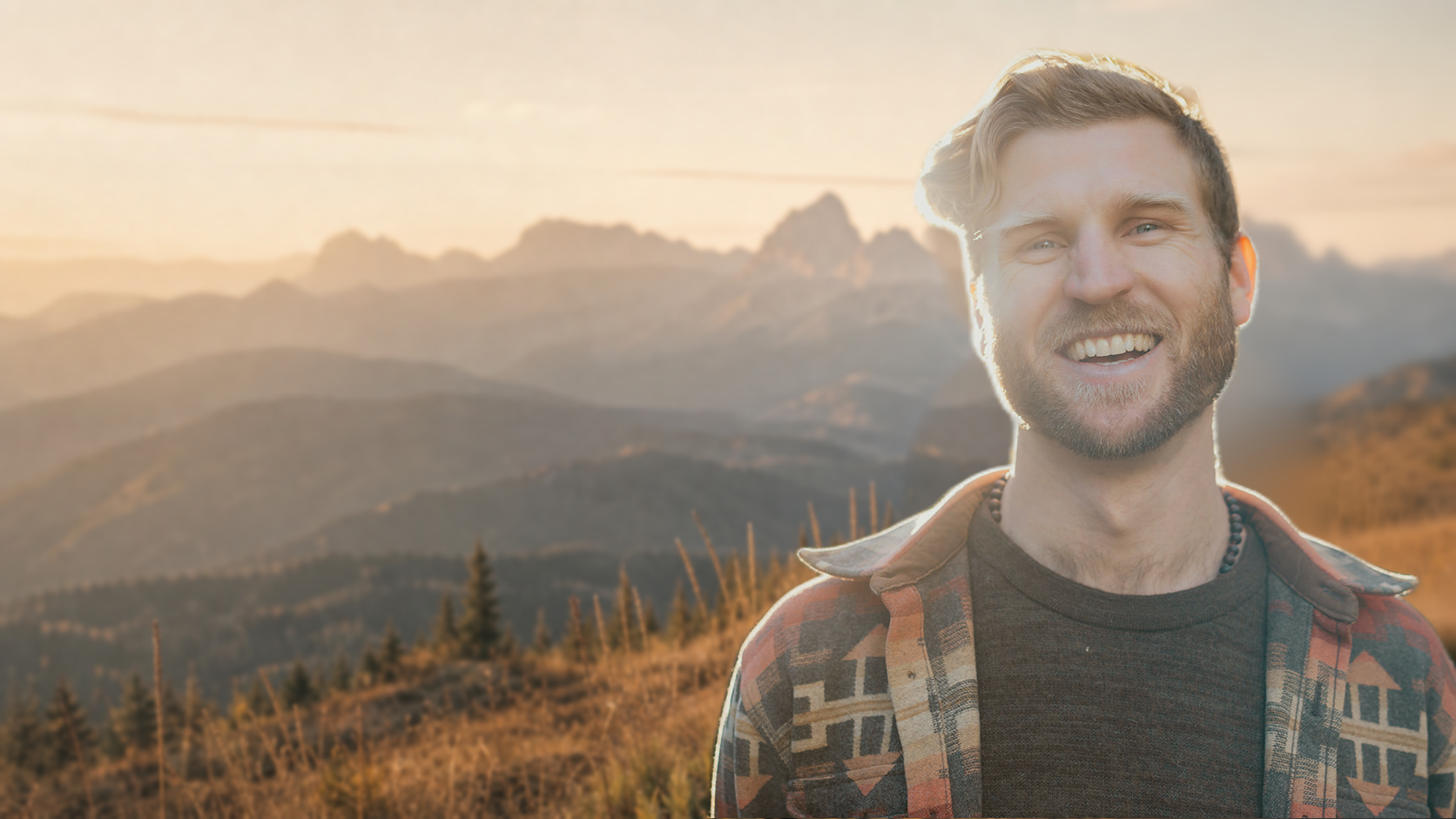

Founder of Ecotone Academy
I’m a son, brother, uncle, friend, dog dad, seeker and guide.
Meet Rigby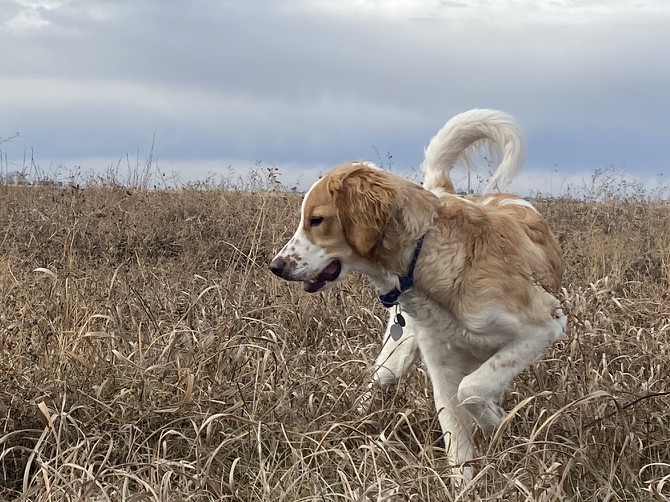 Rigby
First, an introduction
Rigby is a Golden-Spaniel service dog, named after the Jerry Garcia Band’s version of “Eleanor Rigby” from Kean College, 2/28/80. (Long story.) He’s my primary therapist, social director, and legal, financial and spiritual advisor. Any honest introduction of me starts with him.
I’ll gladly talk about Rigs all day. But for now, let me tell you where I’ve been.
A life lived on edges
I didn’t plan it this way, but I’ve lived much of my life on edges: between countries, cultures, careers and versions of myself.
I’ve called a lot of places home: Durham, Washington D.C., Tokyo, Minneapolis, Grass Valley, Mt. Desert, Bogotá, Denver, the Inner Hebrides, Odemira and Nosara. These days I’m walking the lands and swimming the waters of qathet, on the Sunshine Coast of British Columbia.
Some of that was adventure. A lot of it was searching. I’ve lived with mental health struggles since I was at least six years old, and for a long time I felt like I’d been dropped on a strange and dangerous planet with no instructions. Every move was, in part, a question: is this where I belong?
The answer came from the least likely place.
The crossing
It’s May 2018. I’m 32 years old. I’m graduating from a four-year Ayurvedic Doctor program, moving from Boulder to an ashram in Northern California, and breaking up with a beloved partner.
Before I go, she gives me a book: Wild Mind, by Bill Plotkin, a guide to mental health through the nature-based map of the human psyche. It becomes an instant source of order in the chaos.
As it turns out (and as I might have known), an ashram is not the ideal place for a single young man trying to start a career. Within three dramatic weeks, my three-year plan is gone. I’ve given up my home, my relationship and my spiritual community. I have no steady income and few prospects. I’m living out of my car.
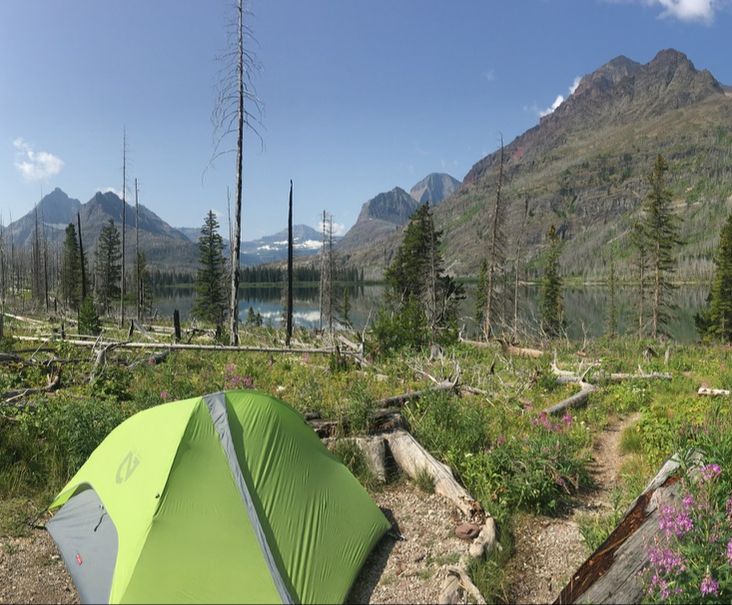
So I spend the summer sleeping under the stars, wandering wild places, running into mountain lions and talking with black bears.
In August, I head to the Four Corners for my first Animas Quest, led by guides trained by Bill Plotkin. For two weeks we camp in the mountain forest, doing wild experiments designed to crack us open. It ends with a solo fast: three days and nights alone, with nothing but water and ceremonies of my own design.
I dig my own grave and sleep in it, naked.
I dream of an Indigenous elder on horseback, lifting a shadow off me that was never mine to carry.
I tell my life story to an old tree. It takes all three days, and I don’t finish.
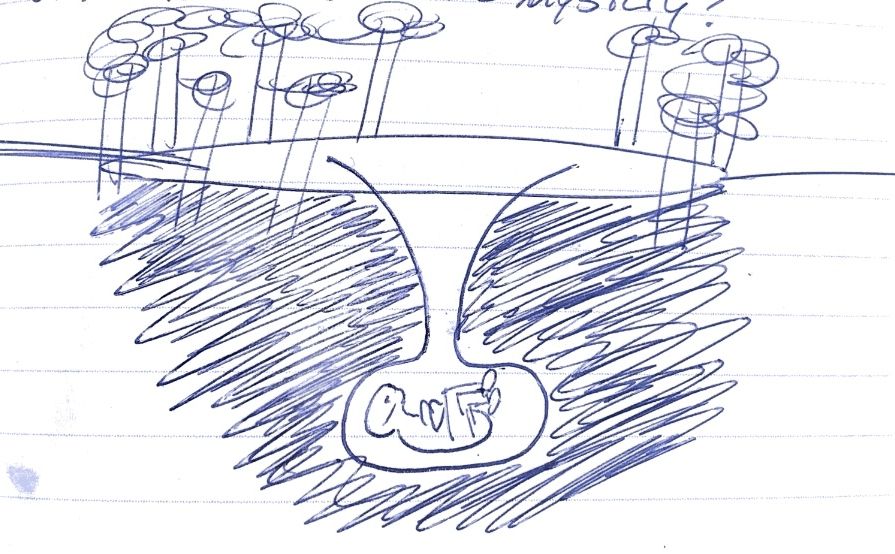
When I come back, my guides ask five questions.
Why ecotones
The in-between is uncomfortable. It’s also where new life takes shape.
Ecologists have noticed something about ecotones: the place where two habitats meet is often more alive than either one on its own. That’s been true in my life, and it’s what I see again and again in the people I work with.
Our culture mostly wants to skip that part. A lot of self-development is about rising above it all: higher vibrations, bigger consciousness, leaving the mess behind. I think that’s half the story at best. What actually changes people is usually found by going down and in, into the body, the grief, and the parts of ourselves we’d rather not look at. Admittedly, that sounds less appealing than ascending into the light. But the dark soil is where the nutrients are.
Telfer is my mother’s family name. It’s Scottish, from the old French taille-fer, “to cut iron,” once a nickname for a fierce warrior. Somewhere along the way I found a definition that stuck: one who destroys without malice.
To build the new, something old has to come apart. My work is helping that happen with courage, compassion, and as much care as possible.
Training and study
For those who like to know.
The Nature-Based Map of the Human Psyche and the Eco-Centric Developmental Wheel, Animas Valley Institute. Mentored by Brian Stafford.
2018 to presentFour-year Ayurvedic Doctor program (4,000+ hours) in Ayurveda, herbalism and Vedic spirituality with Alakananda Ma and Sadanandaji, Alandi Ayurveda Gurukula.
2014 to 2018IFS-Informed practitioner, IFS Institute. Ongoing Continuity Program, including Intimacy from the Inside Out.
OngoingFormal and independent study of Jyotish with Sam Geppi, Komilla Sutton, Bill Sinclair, Simon Chokoisky and Freedom Cole.
2009 to presentMaster’s in Metaphysics, thesis on “The Periodic Table of Ayurvedic Elements” (2020). Doctoral dissertation, “Internal Family Solar Systems” (2026). University of Metaphysical Sciences.
2018 to 2026BA in English and Creative Writing, George Washington University, focusing on mythopoetics, spoken-word storytelling and musicology.
2004 to 2008HeartMath Certified Practitioner. 1,000+ hours of yoga training. Permaculture design.
2009 to presentThis is educational work. It doesn’t replace therapy, medical treatment, or licensed mental-health care.
Watch & read
Two starting points for the philosophy and practice beneath the Academy.
Featured talk
An introduction to the paradigm presented at the Colorado Ayurveda Conference.
Featured essay · 8 min read
The one true remedy for obsessive ascension is courageous descent.
Read on Telfer’s SubstackPeek inside The Ecosystem
The Ecosystem is our online community: teachings, practices, and people who get what it’s like to be between chapters.
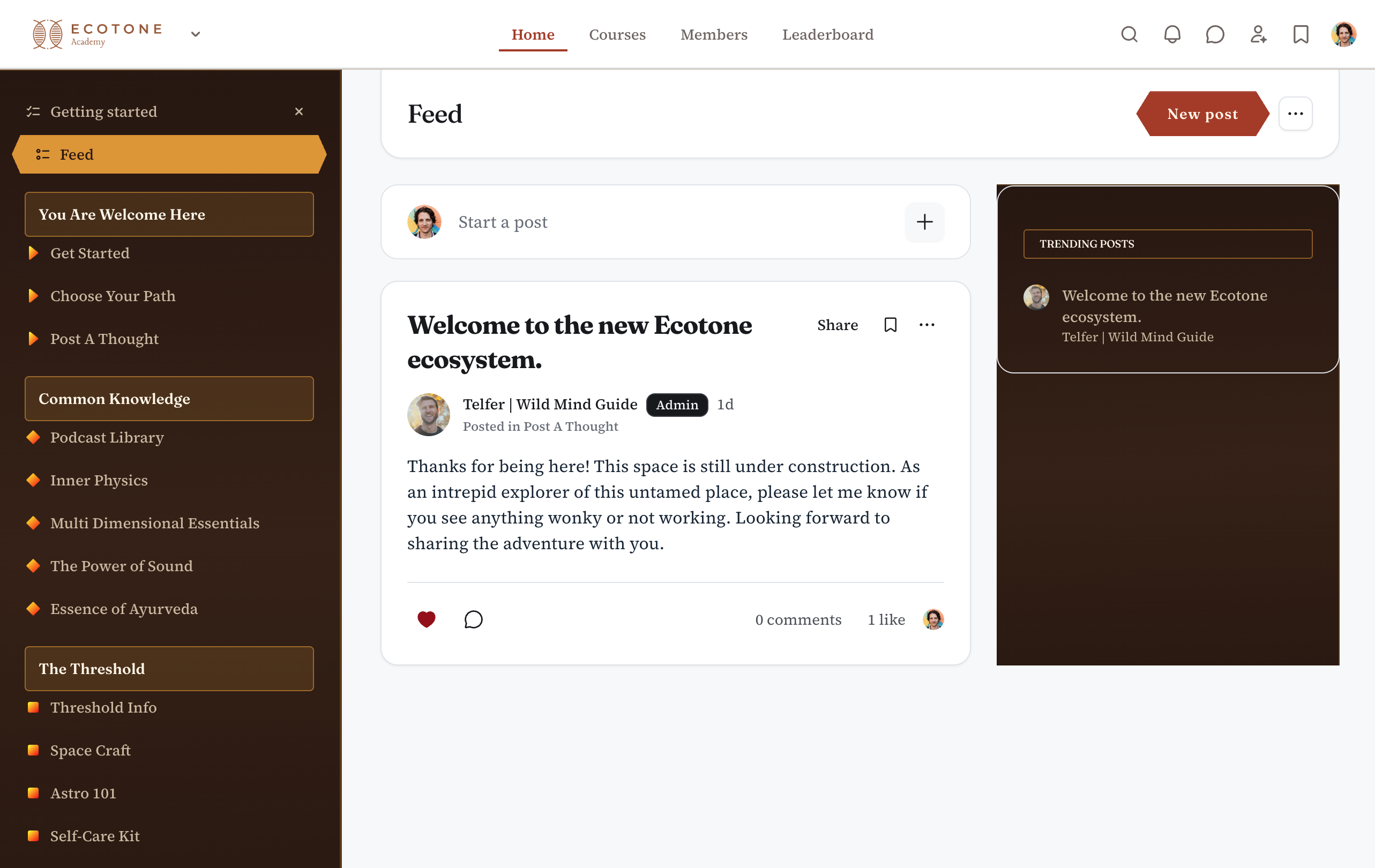 The Ecosystem
Community feed
Share what the work is stirring, follow new posts, and meet fellow travelers moving through their own thresholds.
Your story
And I’d love to hear yours. If you’re in the middle of your own crossing, the free Ecotone Assessment is a good first chapter. It takes about five minutes, and it’ll show you the terrain you’re standing in.